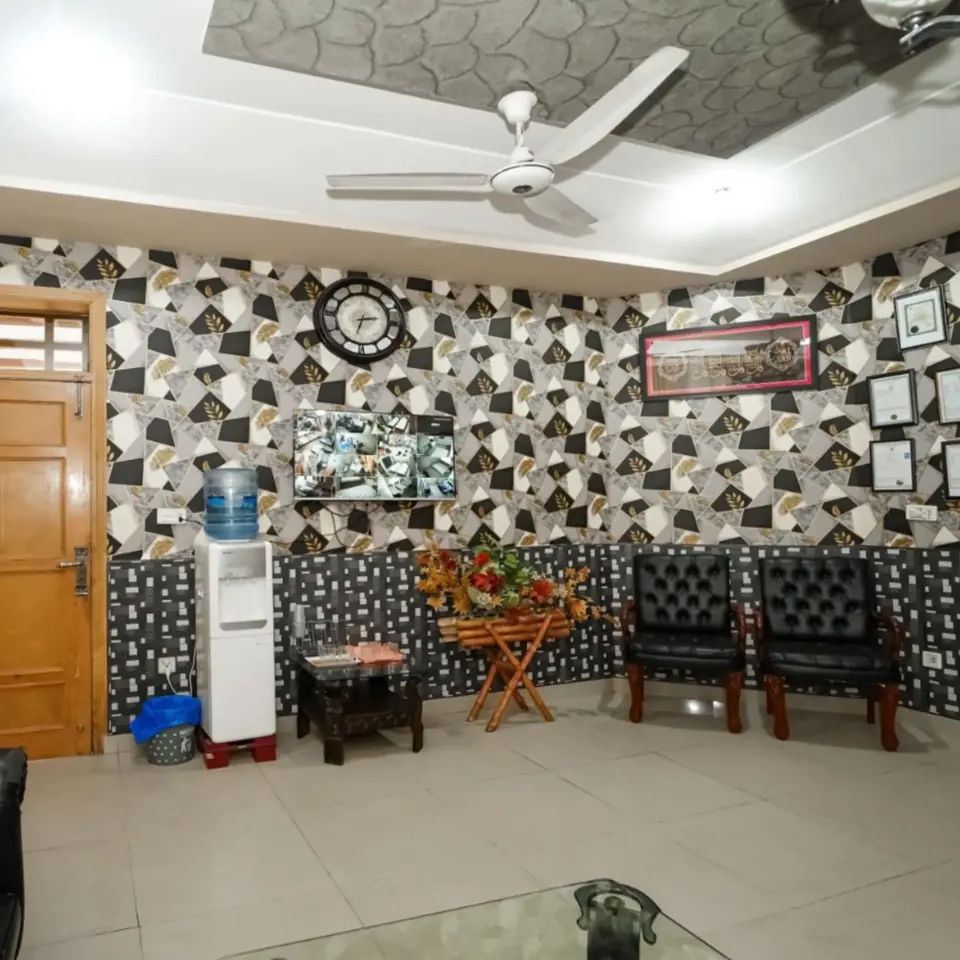
Psychiatry OPD

Psychiatry OPD in Islamabad

Mental health concerns can affect a person’s emotions, relationships, physical wellbeing, work, education and ability to manage everyday life. The Psychiatry OPD in Islamabad at Islamabad Rehab Centre provides confidential outpatient psychiatric assessment, diagnosis, treatment planning and follow-up care for people experiencing emotional, behavioural, psychological or substance-related difficulties.

Our outpatient service enables patients to consult a psychiatrist without being admitted to a hospital or residential rehabilitation programme. During the consultation, the psychiatrist listens to the patient’s concerns, reviews symptoms and medical history, assesses possible risks and recommends an individualised treatment plan.

Treatment may include psychiatric medication, psychological therapy, lifestyle guidance, addiction counselling, family support or referral to a more structured level of care when required. Patients from Islamabad, Rawalpindi, PWD and nearby communities can access professional support in a respectful and private environment.

Seeking psychiatric help does not mean that a person is weak or that their condition is necessarily severe. Early assessment can help identify problems before they become more disruptive and can support safer, more effective recovery.

What Is a Psychiatry OPD?
Conditions Treated in Psychiatry OPD

Table of Contents

  1. What Is a Psychiatry OPD?
  2. When to Consult a Psychiatrist
  3. Conditions Treated in Psychiatry OPD
  4. What Happens During a Consultation?
  5. Psychiatric Assessment and Diagnosis
  6. Treatment Available in Psychiatry OPD
  7. Psychiatry and Addiction Treatment
  8. Who Can Benefit from Psychiatry OPD?
  9. The Role of Families and Caregivers
  10. Our Psychiatry OPD Process
  11. Safety, Privacy and Confidentiality
  12. Why Choose Islamabad Rehab Centre?
  13. Frequently Asked Questions
  14. Book a Psychiatric Consultation

What Is a Psychiatry OPD?

A psychiatry outpatient department, commonly called a Psychiatry OPD, is a clinical service where people receive mental health assessment and treatment without staying overnight at a hospital or rehabilitation centre.

The service is suitable for patients who are medically stable and can continue living at home while attending scheduled consultations. It may also support patients who have completed inpatient treatment and require medication reviews, psychiatric monitoring or relapse-prevention follow-ups.

A psychiatric consultation is generally a structured conversation rather than a test that someone can pass or fail. The purpose is to understand the patient’s symptoms, circumstances and support needs so that appropriate care can be planned.

Psychiatry OPD Services May Include

  • Initial psychiatric consultation
  • Comprehensive mental health assessment
  • Review of emotional and behavioural symptoms
  • Psychiatric diagnosis where clinically appropriate
  • Medication evaluation and management
  • Follow-up appointments
  • Psychological therapy referrals
  • Addiction and substance-use assessment
  • Dual diagnosis evaluation
  • Family guidance and psychoeducation
  • Relapse-prevention planning
  • Referral for inpatient or emergency care when necessary

When to Consult a Psychiatrist

Occasional sadness, worry or stress can be a normal response to difficult circumstances. Professional assessment should be considered when symptoms are intense, persistent, worsening or interfering with normal functioning.

A psychiatrist in Islamabad may be consulted when a person experiences significant changes in mood, behaviour, sleep, thinking, relationships, academic performance or professional responsibilities.

Emotional and Behavioural Warning Signs

Consider arranging a psychiatric consultation when you or a family member experiences:

  • Persistent sadness, hopelessness or emotional numbness
  • Excessive worry, fear, panic or restlessness
  • Sudden or extreme changes in mood
  • Loss of interest in previously enjoyable activities
  • Social withdrawal or isolation
  • Irritability, anger or aggressive behaviour
  • Difficulty concentrating or making decisions
  • Unexplained decline in work or academic performance
  • Repeated impulsive or risky behaviour
  • Distressing thoughts that are difficult to control

Changes in Sleep and Daily Functioning

Psychiatric symptoms may also appear through physical or functional changes, including:

  • Severe insomnia or excessive sleeping
  • Significant appetite or weight changes
  • Low energy and persistent fatigue
  • Poor personal hygiene or self-care
  • Difficulty completing daily responsibilities
  • Recurrent physical complaints without a clear explanation
  • Dependence on alcohol, drugs or sedating medication to cope

Urgent Mental Health Warning Signs

Urgent professional help is required when someone:

  • Talks about suicide or self-harm
  • Has attempted to harm themselves
  • Is threatening to harm another person
  • Appears severely confused or disconnected from reality
  • Is experiencing hallucinations or intense paranoia
  • Has become uncontrollably agitated or aggressive
  • Cannot safely care for themselves
  • Has severe symptoms after stopping alcohol, drugs or psychiatric medication

A routine Psychiatry OPD appointment is not a substitute for emergency care. In an immediate crisis, families should seek the nearest emergency medical service or hospital without delay and keep the person under responsible supervision.

Conditions Treated in Psychiatry OPD

The Psychiatry OPD in Islamabad supports people with a broad range of mental health, behavioural and addiction-related concerns. A diagnosis is made only after an appropriate clinical assessment.

Mental health conditions can involve disturbances in thinking, emotional regulation or behaviour that cause distress or interfere with important areas of life. Recognised diagnostic frameworks include the World Health Organization’s ICD system and the DSM framework used by many mental health professionals.

Depression and Mood Disorders

Depression may involve persistent sadness, loss of interest, low motivation, guilt, hopelessness, changes in sleep or appetite and difficulty functioning.

Psychiatric assessment can help distinguish depression from grief, stress-related symptoms, bipolar disorder, substance-induced symptoms and medical conditions that may produce similar difficulties.

Mood-related conditions treated or assessed may include:

  • Major depressive disorder
  • Persistent depressive symptoms
  • Bipolar disorder
  • Mood changes associated with substance use
  • Postpartum or perinatal mental health concerns
  • Mood symptoms associated with physical illness

Anxiety and Stress-Related Conditions

Anxiety disorders can cause excessive fear, worry, tension and avoidance. Symptoms may also include a rapid heartbeat, shortness of breath, sweating, trembling, dizziness or gastrointestinal discomfort.

The Psychiatry OPD may assess:

  • Generalised anxiety disorder
  • Panic attacks and panic disorder
  • Social anxiety
  • Specific phobias
  • Obsessive-compulsive symptoms
  • Post-traumatic stress symptoms
  • Adjustment difficulties
  • Stress-related sleep problems

Psychosis and Schizophrenia-Spectrum Conditions

Psychosis can affect how a person interprets reality. Possible symptoms include hallucinations, delusional beliefs, suspiciousness, disorganised speech, unusual behaviour and marked decline in functioning.

There is no single test that diagnoses every psychotic disorder. Assessment normally considers symptoms, duration, medical factors, substance use and possible alternative explanations.

Early assessment is important because untreated symptoms may place the patient or others at risk and may make daily functioning increasingly difficult.

Personality and Behavioural Difficulties

Some patients experience long-standing patterns of emotional instability, impulsivity, interpersonal conflict or difficulty managing anger.

Psychiatric assessment may identify whether symptoms are related to:

  • Personality-related difficulties
  • Trauma
  • Mood disorders
  • Anxiety
  • Substance use
  • Attention-related difficulties
  • Environmental or relationship stress

Treatment may involve psychotherapy, emotional-regulation skills, family intervention and medication for specific associated symptoms.

Sleep and Concentration Problems

Sleep disturbance and poor concentration may be caused by stress, depression, anxiety, substance use, medication effects, physical illness or an underlying psychiatric condition.

A psychiatrist may evaluate:

  • Insomnia
  • Excessive sleeping
  • Reversed sleep patterns
  • Night-time anxiety
  • Sleep problems during addiction recovery
  • Attention and concentration difficulties

The objective is not simply to prescribe sleeping medication. The clinician should first consider possible causes, risks and safer long-term management.

What Happens During a Psychiatric Consultation?

A first appointment usually begins with a discussion about the main problem and how it is affecting the patient’s life. Patients are encouraged to communicate honestly, but the consultation should remain respectful and non-judgemental.

Clinical History

The psychiatrist may ask about:

  • Current symptoms and when they began
  • Symptom severity and frequency
  • Medical and psychiatric history
  • Previous treatment or hospitalisation
  • Current and previous medications
  • Alcohol, drug or medication misuse
  • Sleep, appetite and energy levels
  • Family mental health history
  • Relationships, work and education
  • Recent stress, loss or trauma
  • Thoughts of self-harm or suicide

These questions help the doctor understand the patient as a whole rather than treating one symptom in isolation.

Mental Status Examination

A mental status examination is a clinical assessment of the patient’s current psychological functioning. It may consider:

  • Appearance and behaviour
  • Speech and communication
  • Mood and emotional expression
  • Thought process and thought content
  • Perception
  • Attention and memory
  • Insight and judgement
  • Awareness of time, place and identity
  • Immediate safety risks

The patient does not need to prepare special answers. The assessment is based on conversation, observation and clinically relevant questions.

Physical and Laboratory Evaluation

Some psychiatric symptoms can be associated with medical conditions, nutritional deficiencies, neurological problems, hormonal changes, infections, medication effects or substance use.

When clinically appropriate, the psychiatrist may recommend:

  • A general medical examination
  • Blood tests
  • Toxicology screening
  • Medication-level monitoring
  • Consultation with another medical specialist
  • Psychological testing

Testing is not necessary for every patient and should be recommended according to individual clinical needs.

Psychiatric Assessment and Diagnosis

Psychiatric diagnosis is not based on one symptom alone. The clinician considers the pattern, duration and severity of symptoms, their impact on everyday functioning and whether they may be better explained by another medical or substance-related cause.

The process may require more than one consultation, particularly when symptoms have changed over time or when information from family members is clinically important.

Why Accurate Assessment Matters

A careful assessment helps:

  • Identify the most likely underlying condition
  • Exclude possible medical or substance-related causes
  • Evaluate immediate safety concerns
  • Select appropriate medication or therapy
  • Avoid unnecessary or unsuitable treatment
  • Determine whether outpatient care is sufficient
  • Develop a realistic follow-up plan

Patients should avoid starting, stopping or changing psychiatric medication without discussing it with a qualified doctor.

Treatment Available in Psychiatry OPD

Treatment is personalised according to the diagnosis, symptom severity, medical history, personal circumstances and the patient’s treatment goals.

Psychotherapy and medication are among the most commonly used forms of mental health treatment, but not every patient requires both.

Psychiatric Medication Management

A psychiatrist may prescribe medication when the expected clinical benefit outweighs the potential risks.

Medication categories may include:

  • Antidepressants
  • Anti-anxiety medicines
  • Mood stabilisers
  • Antipsychotic medicines
  • Medication for attention-related symptoms
  • Short-term sleep support in selected cases
  • Medication used during addiction treatment

The psychiatrist should explain:

  • Why the medication is being considered
  • How and when it should be taken
  • Common side effects
  • Important safety precautions
  • Possible interactions
  • When improvement may be noticed
  • Why follow-up monitoring is required

Some psychiatric medicines take time to produce their full effect. Others require gradual dose adjustment. Medication should not be discontinued abruptly unless urgent medical advice indicates otherwise.

Psychological Therapy

Psychological therapy helps patients understand and change unhelpful thoughts, emotions and behaviours.

Depending on clinical needs, recommended approaches may include:

  • Cognitive behavioural therapy
  • Motivational interviewing
  • Supportive psychotherapy
  • Trauma-informed therapy
  • Behavioural activation
  • Anger-management work
  • Grief counselling
  • Addiction counselling
  • Family therapy
  • Relapse-prevention therapy

Psychotherapy may be delivered individually, with family members or in a therapeutic group.

Lifestyle and Recovery Planning

Mental health treatment may also include practical recommendations regarding:

  • Sleep routines
  • Physical activity
  • Nutrition
  • Stress management
  • Social support
  • Substance avoidance
  • Work or academic adjustments
  • Healthy daily structure
  • Medication adherence
  • Recognition of relapse warning signs

These measures support clinical treatment but should not be presented as replacements for professional care when a psychiatric condition is present.

Our Psychiatry OPD Process

Psychiatry and Addiction Treatment

Mental health conditions and substance-use disorders frequently occur together. A person may use alcohol or drugs to cope with anxiety, depression, trauma, insomnia or emotional pain. Substance use may then worsen psychiatric symptoms and make recovery more difficult.

Dual Diagnosis Assessment

Dual diagnosis refers to the presence of both a mental health condition and a substance-use disorder.

Examples include:

  • Depression with alcohol dependence
  • Anxiety with sedative misuse
  • Psychosis associated with cannabis or stimulant use
  • Bipolar disorder with drug addiction
  • Trauma symptoms with opioid dependence
  • Insomnia with misuse of sleeping medication

Effective treatment should address both conditions rather than assuming that every psychiatric symptom will disappear after substance use stops. Integrated care may involve medical detoxification, psychiatric treatment, psychological therapy, family counselling and relapse-prevention planning.

When Inpatient Care May Be Recommended

Outpatient care may not provide sufficient safety or structure when the patient has:

  • Severe withdrawal symptoms
  • High suicide or self-harm risk
  • Severe psychosis or mania
  • Repeated relapse
  • Uncontrolled substance use
  • An unsafe living environment
  • Serious medical complications
  • Inability to follow an outpatient plan

In these situations, the psychiatrist may recommend medical detox, inpatient rehabilitation, hospital care or another supervised treatment setting.

Who Can Benefit from Psychiatry OPD?

Psychiatry OPD services may benefit:

  • Adults experiencing new mental health symptoms
  • Patients with an existing psychiatric diagnosis
  • People needing a second psychiatric opinion
  • Patients requiring medication review
  • People recovering from drug or alcohol addiction
  • Patients with both addiction and mental health concerns
  • Individuals experiencing stress, trauma or grief
  • Families concerned about major behavioural changes
  • Patients transitioning from inpatient to outpatient care
  • People requiring ongoing relapse-prevention support

Patients do not need to wait until symptoms become unbearable. Early consultation may enable earlier intervention and reduce disruption to family, employment, education and social functioning.

The Role of Families and Caregivers

Families are often the first to notice changes in behaviour, sleep, communication or self-care. Their observations may provide useful clinical information, especially when the patient has limited insight into their condition.

With appropriate respect for patient privacy and consent, families may be involved in:

  • Sharing symptom history
  • Helping the patient attend appointments
  • Supporting medication adherence
  • Learning warning signs
  • Reducing conflict at home
  • Creating a safer environment
  • Participating in family therapy
  • Supporting addiction recovery
  • Preparing an emergency plan

Family involvement should support the patient’s dignity rather than becoming controlling or punitive.

How Families Can Prepare for an Appointment

Families may bring:

  • A list of current medications
  • Previous prescriptions or medical records
  • Dates of major behavioural changes
  • Information about substance use
  • Details of previous treatment
  • A list of safety concerns
  • Questions about treatment and follow-up

The psychiatrist may speak privately with the patient for part of the consultation and involve the family when clinically appropriate.

Our Psychiatry OPD Process

1. Appointment and Initial Guidance

Patients or family members contact Islamabad Rehab Centre to request an appointment. Basic information may be collected to determine whether a routine OPD consultation is appropriate or urgent care is needed.

2. Psychiatric Consultation

The psychiatrist reviews the presenting symptoms, medical history, medication use, family concerns and any addiction-related factors.

3. Risk and Diagnostic Assessment

The assessment considers possible diagnoses, immediate safety concerns and whether further medical or psychological evaluation is needed.

4. Personalised Treatment Plan

The patient receives a treatment plan that may include medication, therapy, counselling, lifestyle recommendations, family support or referral to inpatient care.

5. Follow-Up and Monitoring

Follow-up appointments allow the psychiatrist to review:

  • Symptom changes
  • Treatment response
  • Medication adherence
  • Side effects
  • New concerns
  • Substance-use risk
  • Sleep and daily functioning
  • Recovery progress

6. Continuing Care and Aftercare

As the patient stabilises, appointments may become less frequent. Long-term care may include maintenance treatment, therapy, relapse prevention and a plan for responding to early warning signs.

Safety, Privacy and Confidentiality

Mental health information is sensitive and should be handled respectfully. Islamabad Rehab Centre aims to provide confidential treatment within applicable professional, ethical and legal responsibilities.

Information may need to be shared when there is a serious and immediate risk of harm, a safeguarding concern or another legal requirement. Patients may ask the clinical team how their information will be documented, used and protected.

Safe Use of Psychiatric Medication

Patients should:

  • Take medication only as prescribed
  • Report significant side effects
  • Disclose alcohol and drug use honestly
  • Mention other medicines and supplements
  • Avoid sharing medication with others
  • Attend recommended follow-ups
  • Seek advice before stopping treatment
  • Keep medicines safely away from children
Best rehab center in islamabad

Why Choose Islamabad Rehab Centre?

Islamabad Rehab Centre provides access to psychiatric, psychological and addiction-related services within a coordinated treatment environment.

Patients may benefit from:

  • Psychiatric assessment by qualified professionals
  • Confidential outpatient consultations
  • Personalised treatment planning
  • Medication monitoring
  • Psychological therapy and counselling
  • Addiction and dual diagnosis support
  • Family education and therapy
  • Access to inpatient rehabilitation when indicated
  • Relapse-prevention planning
  • Continuing care and follow-up
  • Support for patients from Islamabad and Rawalpindi
  • A respectful and non-judgemental treatment approach

No ethical mental health provider should guarantee a particular result. Recovery varies according to the condition, its severity, treatment engagement, family support, physical health and other individual circumstances. Our goal is to provide clinically appropriate support and help each patient move towards safer and more stable functioning.

Frequently Asked Questions

Where can I find a rehab centre near me in Islamabad?

Islamabad Rehab Centre provides psychiatric, psychological and addiction-treatment services for patients from Islamabad, Rawalpindi, PWD and nearby areas. The appropriate service depends on the patient’s symptoms and level of risk. Some people may begin with a Psychiatry OPD consultation, while others may require medical detoxification, inpatient rehabilitation or urgent hospital care. Before choosing a facility, ask whether qualified doctors are available, how patients are assessed, what safety arrangements are in place and whether treatment is personalised. In an immediate mental health or overdose emergency, go to the nearest emergency department rather than waiting for a routine appointment.

How much does a rehabilitation centre cost in Pakistan?

The cost of rehabilitation in Pakistan varies according to the type of programme, duration, accommodation, medical needs, staffing level, therapy frequency and whether detoxification or specialist psychiatric care is required. Outpatient psychiatric consultations generally involve a different fee structure from residential rehabilitation. A responsible facility should assess the patient before estimating the recommended programme and its cost. Families should request clear information about what is included, such as accommodation, meals, medical supervision, psychiatric reviews, therapy, medicines, investigations and aftercare. Contact Islamabad Rehab Centre directly for an assessment-based explanation of available services and current charges.

What is included in rehab centre services?

Rehabilitation services may include admission assessment, medical monitoring, psychiatric care, psychological therapy, addiction counselling, structured daily activities, family therapy, relapse-prevention education and aftercare planning. Patients with physical dependence may first require medically supervised detoxification. Patients with co-occurring depression, anxiety, psychosis or another psychiatric condition may need dual diagnosis treatment. The exact plan should be determined by a clinical assessment rather than applying the same programme to every patient. Islamabad Rehab Centre may recommend outpatient or inpatient care depending on the person’s medical stability, substance use, mental health symptoms, home environment and safety risks.

How long does addiction rehabilitation take?

There is no single rehabilitation duration that is appropriate for everyone. The recommended period depends on the substance involved, duration of use, withdrawal risk, physical health, mental health, previous relapse and level of support available at home. Detoxification is only the initial stage and does not, by itself, address the behavioural and psychological factors involved in addiction. Some patients require a structured residential programme followed by outpatient therapy and long-term relapse-prevention support. A psychiatrist and addiction-treatment team should review progress regularly and adjust the plan. Patients and families should be cautious of programmes promising a guaranteed recovery within a fixed number of days.

Can families visit patients during rehabilitation?

Family contact may be permitted according to the rehabilitation centre’s clinical policy, the patient’s treatment stage, safety considerations and individual treatment plan. Some programmes initially limit visits so the patient can stabilise and engage with treatment. Later, planned family meetings or therapy sessions may be encouraged. Families should follow the clinical team’s guidance and avoid bringing prohibited items, unapproved medicines or anything associated with substance use. When managed appropriately, family involvement can improve communication, help relatives understand addiction and prepare the home environment for recovery. Islamabad Rehab Centre can explain its current visitation and family-participation arrangements before or during admission.

How do I choose the best rehabilitation centre in Islamabad?

Look beyond advertising claims and evaluate the centre’s clinical standards. Ask whether patients receive medical and psychiatric assessments, whether qualified professionals supervise treatment and how emergencies are handled. A suitable rehabilitation centre should provide personalised care, confidentiality, family guidance, psychological treatment, relapse-prevention planning and clear discharge arrangements. It should also assess co-occurring mental health conditions rather than treating substance use alone. Review the accommodation and safety arrangements where possible, request transparent information about costs and avoid facilities promising guaranteed or instant cures. Islamabad Rehab Centre offers assessment-based guidance to help families understand whether outpatient psychiatry, detoxification or inpatient rehabilitation is more appropriate.

Book a Psychiatry OPD Consultation

You do not have to wait until emotional or behavioural symptoms become a crisis.

The Psychiatry OPD in Islamabad at Islamabad Rehab Centre offers confidential assessment and personalised support for mental health conditions, behavioural concerns, addiction and dual diagnosis.

Contact our team to:

  • Book a psychiatric consultation
  • Discuss concerns about a family member
  • Arrange a medication review
  • Ask about addiction or dual diagnosis care
  • Learn whether outpatient or inpatient treatment is appropriate
  • Visit Islamabad Rehab Centre

Call Islamabad Rehab Centre today and take the first informed step towards safer, more stable mental health.

This page provides general educational information and is not a substitute for an individual medical assessment. In an immediate crisis, overdose, suicide risk or medical emergency, seek emergency medical assistance without delay.

Leave a comment