

Our Rehabilitation Centre
Trusted Rehabilitation Centre in Islamabad
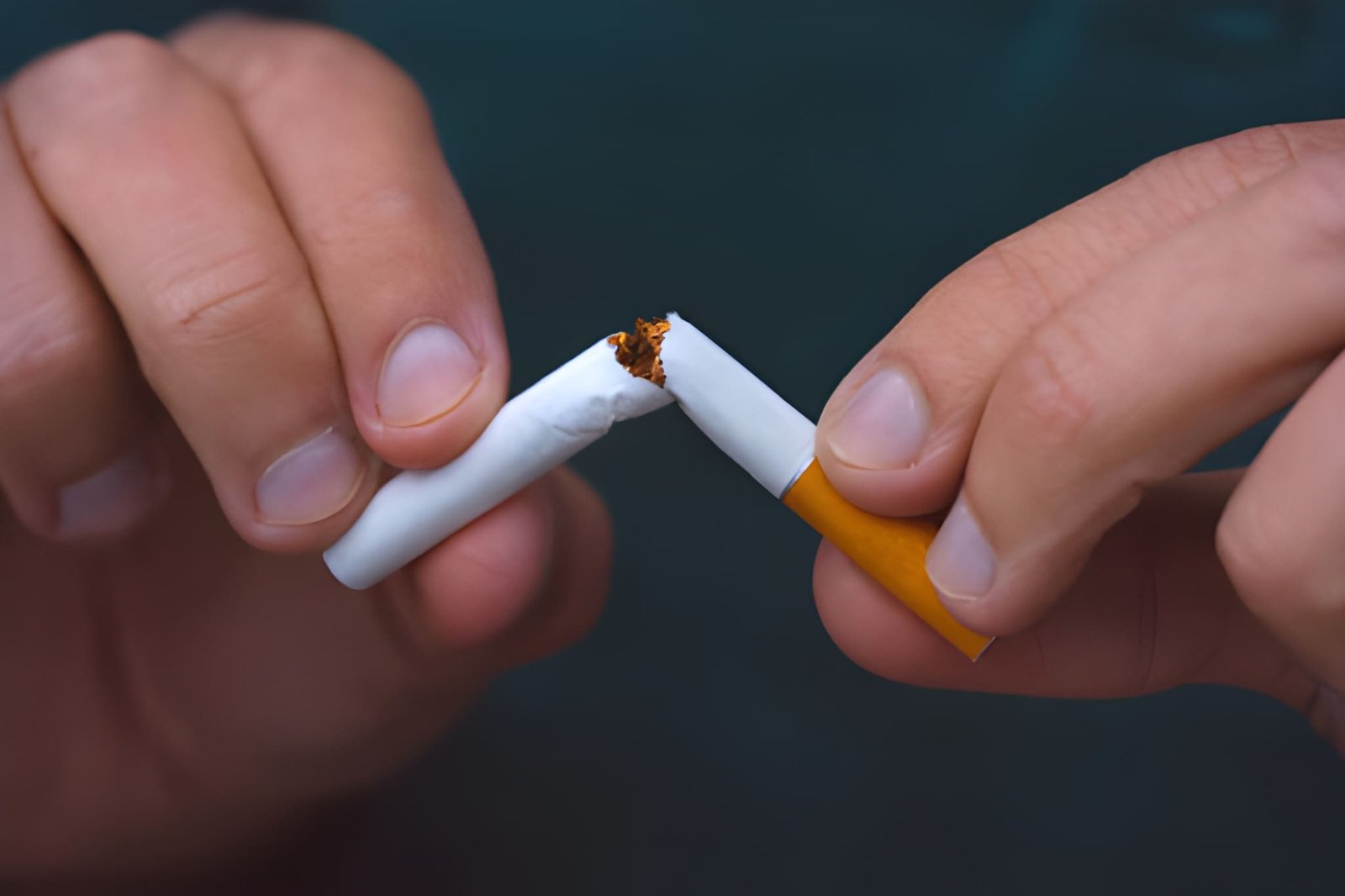
Finding the right rehabilitation centre in Islamabad is an important decision for people experiencing drug addiction, alcohol dependence, substance misuse, or mental health difficulties—and for the families supporting them. Islamabad Rehab Centre provides confidential, patient-focused assessment, medical support, psychological therapy, psychiatric care, rehabilitation, and recovery planning.
What Is a Rehabilitation Centre?
A rehabilitation centre in Islamabad is a healthcare setting providing coordinated support for substance use disorders and related mental health conditions. Effective rehabilitation combines assessment, treatment, education, therapy, and recovery planning rather than relying on willpower alone.
International treatment standards emphasise ethical care, clinical assessment, evidence-informed interventions, patient dignity, and continuity between detoxification, rehabilitation, and community recovery support.
Comprehensive Addiction Treatment Programmes Designed for Lasting Recovery
OUR SPECIALISED TREATMENT PROGRAMMES


More Than Temporary Abstinence
Rehabilitation is more than temporary separation from drugs or alcohol. It helps patients understand cravings, triggers, withdrawal, emotional distress, and high-risk situations while rebuilding routines, coping skills, communication, and responsibility.
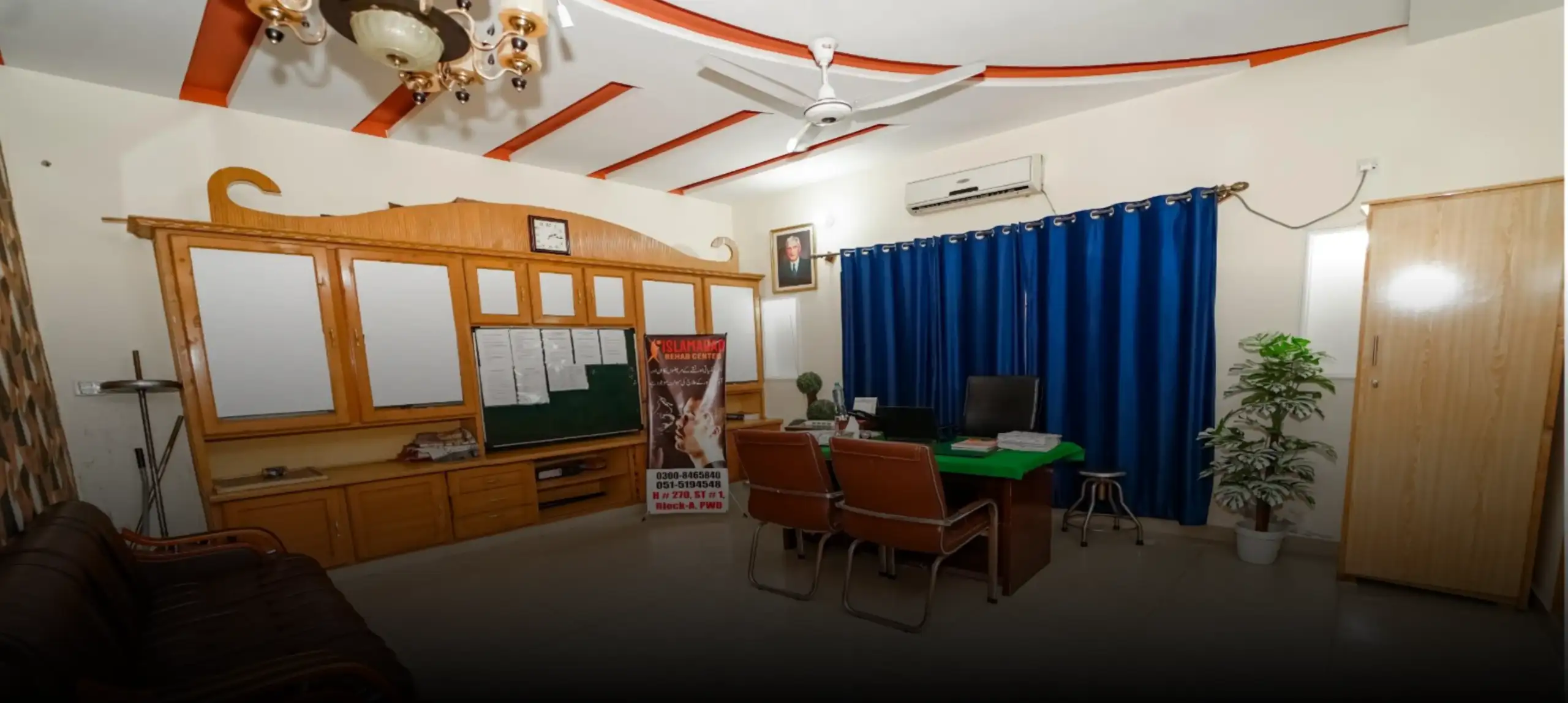
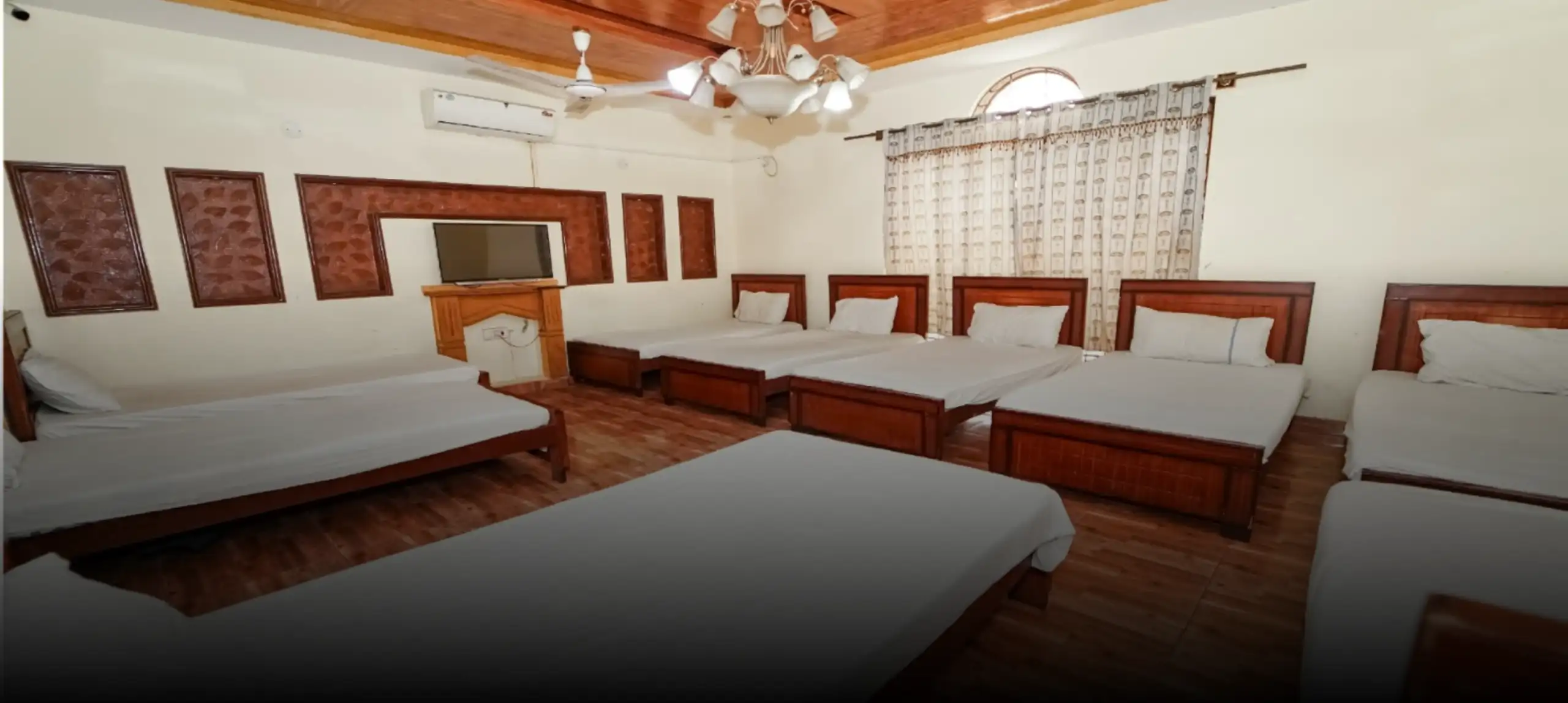
Care for Patients and Families
Addiction also affects families through fear, conflict, financial pressure, and broken trust. A responsible programme gives relatives practical guidance while protecting the patient’s dignity, confidentiality, and clinical needs.
Who May Need Professional Rehabilitation?
A person does not need to reach a crisis before seeking help. Early assessment can clarify whether outpatient support, psychiatric treatment, medical detox, or inpatient rehabilitation is appropriate.
Professional help may be needed when a person:
- Cannot reliably reduce or stop drug or alcohol use.
- Experiences cravings, tolerance, or withdrawal symptoms.
- Repeatedly returns to substance use despite harmful consequences.
- Neglects work, education, health, faith, or family responsibilities.
- Becomes secretive, isolated, aggressive, unusually anxious, or depressed.
- Uses substances to cope with trauma, stress, insomnia, or emotional pain.
- Has experienced overdose, blackouts, seizures, hallucinations, or severe confusion.
- Combines multiple substances or misuses prescription medicines.
- Has tried to stop but relapses without structured support.
- Has both substance use and a possible psychiatric condition.
Addiction is a treatable health condition. Evidence-based treatment may include behavioural therapies, counselling, medical care, and—where clinically appropriate—medications.
Our Clinical Assessment and Admission Process
The first stage is understanding what is happening medically, psychologically, and socially so the team can determine an appropriate level of care.
Initial Confidential Consultation
The consultation covers substances used, frequency, previous treatment, current symptoms, medicines, medical history, mental health, family circumstances, and immediate risks.
Families should disclose recent substance use, self-harm concerns, overdose history, aggressive behaviour, or previous withdrawal complications. Accurate information allows the clinical team to recommend a safer and more appropriate treatment pathway.
Medical and Psychiatric Review
Where required, assessment may include:
- Physical examination.
- Withdrawal-risk review.
- Psychiatric evaluation.
- Mental-state assessment.
- Medication review.
- Substance-use history.
- Suicide and self-harm risk assessment.
- Review of physical health conditions.
- Screening for co-occurring mental health symptoms.
Screening may explore depression, anxiety, trauma, psychosis, bipolar symptoms, sleep problems, cognitive difficulties, or suicidal thinking.
Personalised Treatment Planning
The treatment plan may include inpatient care, outpatient appointments, supervised detox, psychological therapy, family counselling, medication management, relapse prevention, or additional medical investigation.
Treatment duration depends on the diagnosis, immediate risks, progress, home environment, family support, previous treatment history, and the patient’s clinical needs.
Medical Detox and Withdrawal Support
Medical detoxification helps the body adjust when alcohol, drugs, or dependence-forming medicines are stopped or reduced. It may be an important first step, but ongoing therapy and recovery support are usually needed to address the behavioural and psychological drivers of substance use.
Why Medical Supervision Matters
Withdrawal severity depends on:
- The substance being used.
- The amount and frequency of use.
- Duration of dependence.
- Physical and mental health.
- Previous withdrawal complications.
- Use of multiple substances.
- Current prescribed medications.
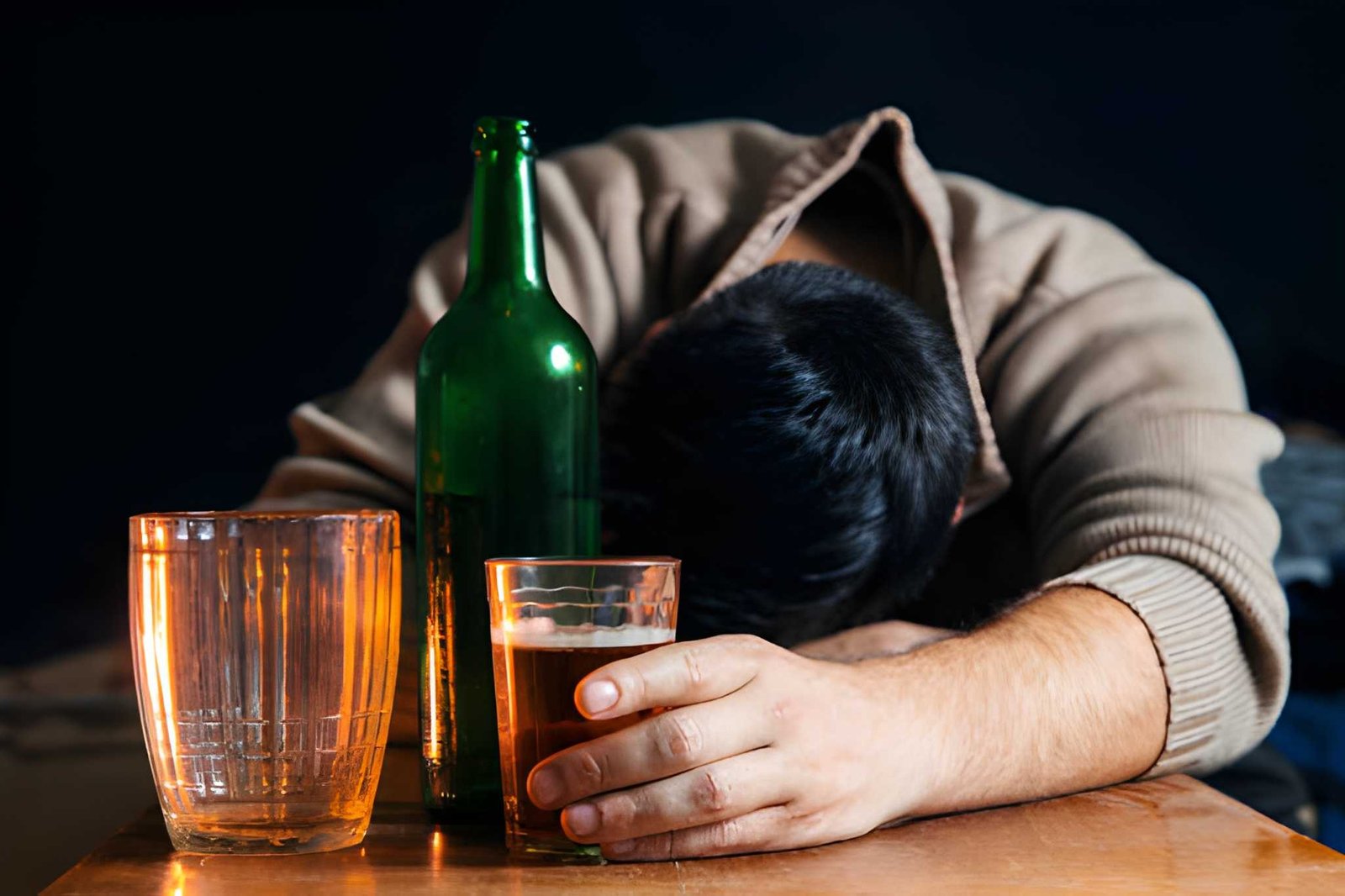
Alcohol withdrawal can become medically serious, especially when a patient has previously experienced seizures, delirium, severe confusion, or significant physical illness.
Where significant dependence is suspected, patients should not abruptly stop alcohol, benzodiazepines, opioids, or other dependence-forming substances without clinical advice.
Supervised withdrawal care may include symptom monitoring, hydration, nutrition, prescribed medication where clinically appropriate, emotional support, sleep management, and intervention if complications develop.
What Happens After Detox?
Detox addresses physical withdrawal, but it does not automatically resolve cravings, triggers, psychiatric symptoms, or the reasons a person returns to substance use.
After stabilisation, rehabilitation may include:
- Individual counselling.
- Psychoeducation.
- Behavioural therapy.
- Psychiatric treatment.
- Family sessions.
- Coping-skills development.
- Medication review.
- Relapse-prevention planning.
Inpatient Rehabilitation in Islamabad
Inpatient rehabilitation provides a structured living environment for patients who need separation from triggers, closer observation, a stable daily routine, and more intensive therapeutic support.
It may be appropriate when substance use is severe, repeated relapse has occurred, the home environment is unsafe, or mental health symptoms require coordinated care.
A typical inpatient rehabilitation pathway may include:
- Regular clinical review and symptom monitoring.
- Individual counselling and psychological support.
- Group recovery education where appropriate.
- Structured sleep, meals, hygiene, and daily routines.
- Behavioural therapy and trigger identification.
- Psychiatric assessment and medication review.
- Family guidance and planned communication.
- Physical wellbeing and healthy activity.
- Discharge and aftercare preparation.
The purpose of inpatient rehabilitation is not punishment or unnecessary isolation. A responsible private rehabilitation centre should provide therapeutic structure, respectful boundaries, confidentiality, patient dignity, and a clear clinical purpose.
Outpatient and Continuing Care
Not every person requires residential admission. Outpatient treatment may be suitable for patients who are medically stable, have a lower immediate risk, can attend scheduled appointments, and have a supportive home environment.
Outpatient care may also be used after inpatient rehabilitation as part of continuing treatment.
Services may include:
- Psychiatry appointments.
- Clinical psychology.
- Addiction counselling.
- Family therapy.
- Medication follow-up.
- Recovery check-ins.
- Relapse-prevention sessions.
- Mental health monitoring.
If symptoms worsen, substance use escalates, withdrawal risks develop, or the home environment becomes unstable, a higher level of care may be recommended.
Continuing care supports progress through realistic goals such as reduced risk, sustained abstinence where clinically indicated, improved mental health, restored routines, healthier relationships, and better daily functioning.
Therapy and Recovery Skills
Psychological treatment helps patients understand why they use substances and what must change to support recovery.
Behavioural Therapy
Behavioural approaches may help patients:
- Recognise personal triggers.
- Challenge unhelpful thinking.
- Manage cravings.
- Improve emotional regulation.
- Develop problem-solving skills.
- Practise healthier responses.
- Prepare for high-risk situations.
- Rebuild confidence and responsibility.
Cognitive behavioural therapy principles, motivational approaches, coping-skills training, and relapse-prevention methods may be used according to clinical suitability.
Counselling and Emotional Support
Counselling provides a confidential space to discuss shame, grief, trauma, anger, family conflict, stress, relationship difficulties, or uncertainty about recovery.
The purpose is not to blame or humiliate the patient. It is to help the person recognise harmful patterns, take responsibility for change, process difficult experiences, and develop healthier coping strategies.
Recovery Education
Recovery education may cover:
- Drug and alcohol dependence.
- Withdrawal symptoms.
- Craving cycles.
- Tolerance.
- Emotional regulation.
- Cross-addiction risks.
- Sleep and nutrition.
- Medication adherence.
- High-risk situations.
- Relapse warning signs.
Better understanding can help patients and families recognise developing problems earlier and respond before a full crisis occurs.
Dual Diagnosis and Mental Health Treatment
Dual diagnosis, also called co-occurring disorders, refers to the presence of a substance use disorder alongside a mental health condition.
Examples may include:
- Depression.
- Anxiety disorders.
- Trauma-related conditions.
- Bipolar disorder.
- Psychotic disorders.
- Personality-related difficulties.
- Sleep disorders.
- Anger and emotional regulation problems.
Substance use can worsen psychiatric symptoms, while untreated mental health problems may increase the urge to self-medicate. Integrated screening and treatment are recommended because separating the two problems can result in missed risks and incomplete care.
At Islamabad Rehab Centre, the care pathway may involve psychiatric assessment, psychological therapy, counselling, medication review, risk management, and addiction treatment within one coordinated plan.
Diagnosis should be made carefully because intoxication, withdrawal, sleep deprivation, and some physical health conditions can temporarily resemble psychiatric symptoms.



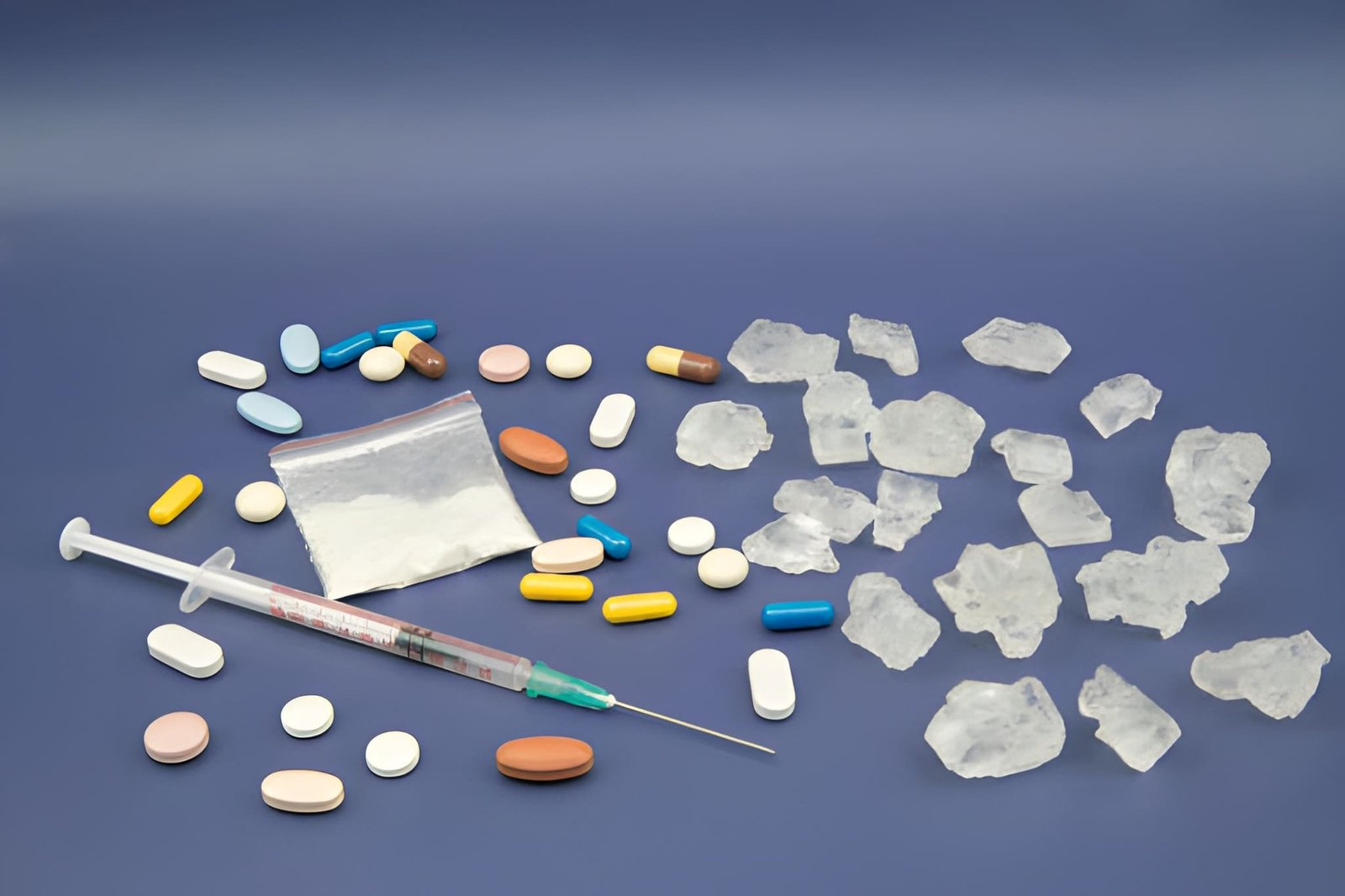







Family Support and Confidential Care
Families may contact a rehab centre before the patient is ready to ask for help. They may need guidance on calm communication, denial, safe boundaries, enabling behaviour, intervention, and admission.
Family involvement should respect:
- Patient consent.
- Clinical safety.
- Confidentiality.
- Therapeutic boundaries.
- Family wellbeing.
- Treatment goals.
Family education may cover addiction, communication, relapse warning signs, medication adherence, discharge planning, and the difference between supportive behaviour and enabling harmful patterns.
Confidentiality is particularly important where patients fear stigma, employment consequences, social judgement, or reputational harm. Information should be handled ethically and shared only according to consent, clinical duty, and safety requirements.
Relapse Prevention and Aftercare
Relapse prevention begins during treatment rather than after discharge. The patient and treatment team should identify personal triggers, early warning signs, high-risk people or places, emotional vulnerabilities, and practical steps to take when cravings increase.
A relapse-prevention plan may include:
- Scheduled follow-up appointments.
- Continuing counselling or psychiatric care.
- Medication adherence where prescribed.
- Family support and agreed boundaries.
- Healthy sleep and daily structure.
- Regular exercise and meaningful activity.
- Avoidance of high-risk environments.
- Emergency coping contacts.
- Recovery-support participation where appropriate.
- A clear response plan if a lapse occurs.
A lapse does not mean that treatment has no value, but it should be taken seriously. The treatment plan may need to be intensified, changed, or reassessed to address emerging risks.
Why Choose Our Rehabilitation Centre in Islamabad?
Choosing a rehabilitation centre in Islamabad should be based on clinical quality, ethics, safety, privacy, and continuity of care—not promises alone.
Islamabad Rehab Centre supports patients and families seeking:
- Addiction and mental health assessment.
- Personalised rehabilitation planning.
- Medical detox support when clinically indicated.
- Psychiatry and psychological therapy.
- Inpatient and outpatient treatment options.
- Dual diagnosis care.
- Family education and counselling.
- Relapse prevention.
- Aftercare planning.
- Confidential and respectful communication.
- Access from Islamabad, Rawalpindi, PWD, and nearby communities.
Before admission, families should ask about assessment, clinical supervision, emergency procedures, therapy, medication management, patient rights, family contact, progress reviews, discharge criteria, and aftercare.
Be cautious of facilities that offer guaranteed cures, unrealistic recovery timelines, or fixed treatment plans without first conducting an appropriate assessment.
Frequently Asked Questions
Where can I find a rehab centre near me in Islamabad?
People searching for a rehab centre near them in Islamabad should look for a facility that provides proper clinical assessment, qualified mental health and addiction professionals, safe withdrawal planning, confidentiality, and continuing care.
Islamabad Rehab Centre serves patients and families from Islamabad, Rawalpindi, PWD, and surrounding areas. Before choosing a centre, discuss the patient’s substance use, medical condition, psychiatric symptoms, immediate risks, and previous treatment.
The most convenient location is not always the safest clinical choice, so confirm whether the centre can manage the person’s actual medical, psychological, and behavioural needs.
How much does a rehabilitation centre cost in Pakistan?
The cost of a rehabilitation centre in Pakistan varies according to the level of care, length of stay, medical complexity, accommodation, psychiatric input, therapy frequency, medicines, investigations, and aftercare.
A patient requiring supervised detoxification or intensive inpatient treatment may have different costs from someone receiving outpatient counselling.
Families should request a clear explanation of what is included, what may be charged separately, and whether follow-up care is part of the programme. Islamabad Rehab Centre can provide relevant cost guidance after an initial assessment because treatment should be based on clinical needs rather than a standard package alone.
What is included in rehab centre services?
Rehab centre services may include admission assessment, medical review, psychiatric evaluation, detoxification support, individual counselling, behavioural therapy, psychoeducation, family sessions, routine-building, medication management, relapse prevention, and discharge planning.
The exact combination depends on the patient’s diagnosis and risk level. Some patients also require treatment for co-occurring depression, anxiety, trauma, psychosis, or other mental health concerns.
Ask the centre to explain its daily programme, staff responsibilities, emergency arrangements, family communication, progress reviews, medication procedures, and aftercare before admission.
How long does addiction rehabilitation take?
There is no single correct duration for every patient. Detoxification may take several days, while behavioural change, psychiatric stabilisation, relationship repair, and relapse-prevention work usually require longer engagement.
Severity of dependence, type of substance, physical health, co-occurring mental illness, home support, and previous relapse all affect duration.
Research has linked adequate treatment retention with improved outcomes, and many patients benefit from several months of structured treatment and continuing care rather than a brief admission alone.
Islamabad Rehab Centre should recommend treatment duration after assessment and revise the plan according to progress.
Can families visit patients during rehabilitation?
Family visits may be possible, but their timing and format should support treatment rather than disrupt it.
During the early stage of admission, the clinical team may need time to assess the patient, stabilise withdrawal or psychiatric symptoms, and establish a therapeutic routine. Visits may then be arranged according to centre policy, patient consent, safety, and treatment goals.
Families should ask about visiting hours, telephone contact, approved visitors, permitted items, and family counselling. In some situations, a structured family session may be more therapeutic than frequent informal visits.
How do I choose the best rehabilitation centre in Islamabad?
The best rehabilitation centre in Islamabad is one that matches the patient’s clinical needs and explains its treatment process clearly.
Check whether the centre provides medical and psychiatric assessment, qualified professionals, safe detox procedures, evidence-informed therapy, confidentiality, family guidance, progress monitoring, and aftercare.
Be cautious of guaranteed cures, fixed recovery timelines, or treatment plans offered without assessment. Families should also ask about emergency procedures, medication management, patient rights, discharge criteria, family involvement, and how relapse risks are addressed.
Start Recovery with Professional Support
You do not need to wait for the situation to become more dangerous before asking for help.
A confidential assessment at Islamabad Rehab Centre can help determine whether the patient needs medical detox, inpatient rehabilitation, outpatient treatment, psychiatric care, psychological therapy, addiction counselling, or family support.
Contact our rehabilitation centre in Islamabad to speak with the admissions team, discuss the situation privately, and arrange a consultation. Families from Islamabad, Rawalpindi, PWD, and nearby areas can seek guidance on the next safe and practical step.
Call Islamabad Rehab Centre, book a confidential consultation, or visit the centre to begin a professionally guided recovery plan.
Medical safety notice: If a person is unconscious, experiencing seizures, severely confused, violent, suicidal, or in immediate medical danger, contact local emergency services or go to the nearest emergency department without delay.
