Addiction Therapy
Islamabad PWD service

Addiction therapy in Islamabad

Explore addiction therapy at IRC PWD: individual and group work, trigger awareness, coping skills and recovery goals. Ask about a psychological assessment in Islamabad.

Local service · IRC PWD

Addiction Therapy at Islamabad Rehab Center PWD

Structured psychological support that explores triggers, cravings, thinking patterns, emotional regulation, relationships and the practical skills needed to maintain recovery.

Addiction therapy looks beyond the substance itself. It explores what happens before use, what the person expects from the substance, how stress and emotion influence behaviour, and which situations increase the likelihood of returning to old patterns.

At IRC PWD, therapy is part of a broader recovery plan. The exact approach should reflect assessment, motivation, mental-health needs, communication style and the stage of recovery rather than assuming one technique fits everyone.

Individual counsellingGroup workCbt-informed skillsMotivation
Addiction Therapy at Islamabad Rehab Center PWD
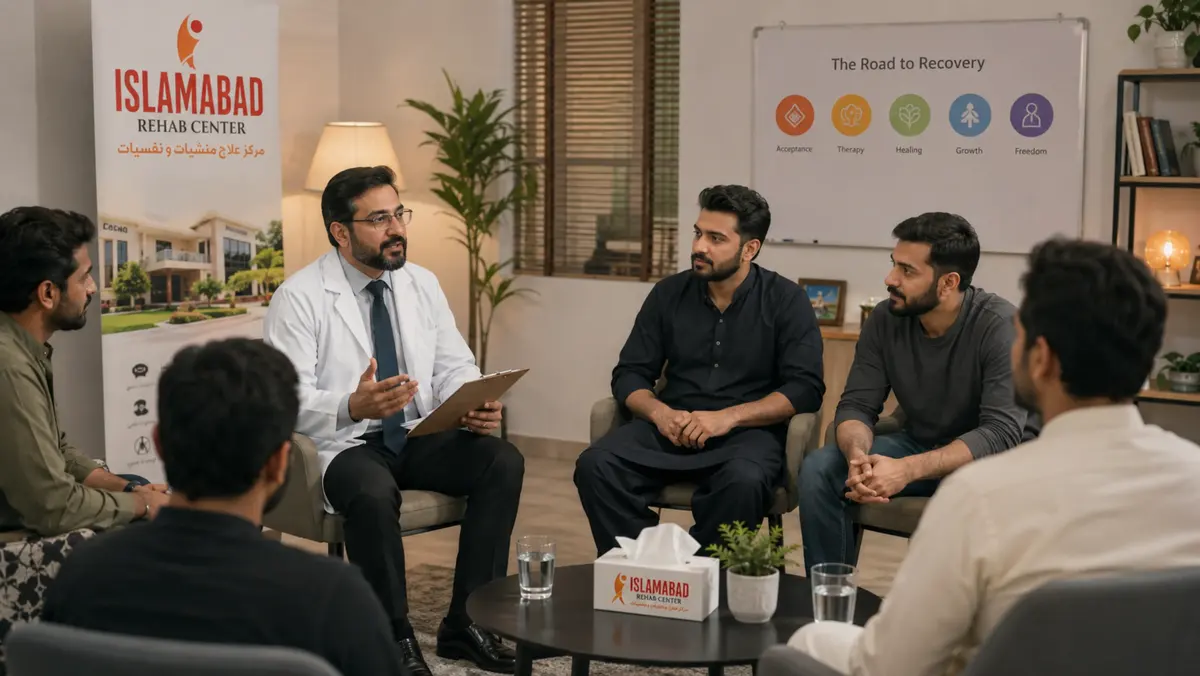
Service illustration used to support treatment information.
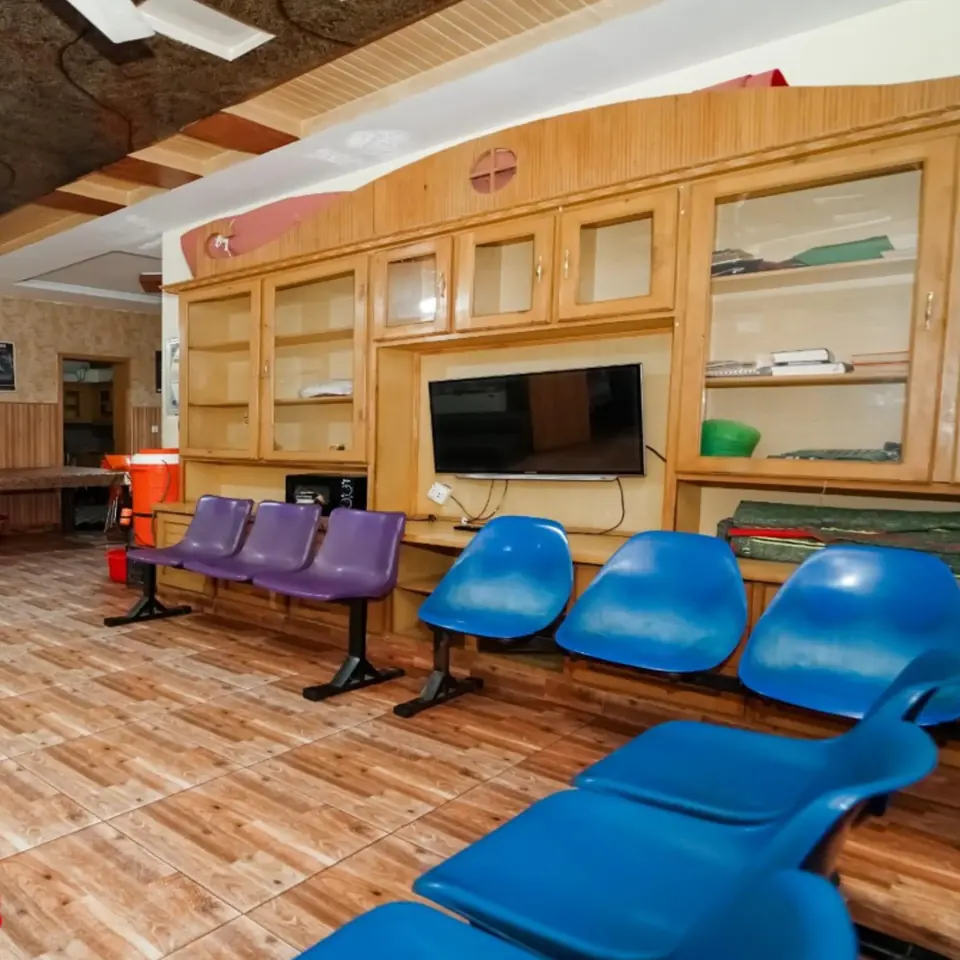
Inside Islamabad Rehab Center PWD
Assessment before treatment

Psychological assessment and therapy goals

An initial psychological assessment may explore substance-use patterns, previous attempts to stop, mood and anxiety symptoms, sleep, trauma history where clinically relevant, family stress, work or study disruption and the person’s own goals.

The purpose is to identify useful treatment targets. It is not to label every difficulty as addiction or to promise that one form of counselling will solve a complex problem.

Request a Confidential Consultation
What care may include

Individual, group and coping-skills work

Therapy may combine individual sessions, group work, trigger mapping, coping-skills practice, motivational work and coordination with psychiatric or medical care when those needs overlap.

  1. 01Individual sessions for private exploration and goal setting
  2. 02Group work for shared learning, feedback and recovery skills
  3. 03Cognitive and behavioural strategies for triggers, cravings and unhelpful thinking patterns
  4. 04Motivational work when a person feels uncertain or ambivalent about change
Recovery context

Practising recovery skills between sessions

Therapy becomes more useful when skills are practised outside the counselling room. Planning may include coping strategies, high-risk situations, daily routines, communication, problem solving and responses to early warning signs.

Relapse prevention is not based on willpower alone. It is built around recognising patterns early and having realistic actions that can be used before a lapse becomes a full return to previous behaviour.

Recovery
MedicalPsychologicalRoutineFamilyFollow-up
Family support during recoveryFamily support works best with clear boundaries.
Family & support system

Family involvement and counselling boundaries

Family relationships can either support or complicate recovery. Where appropriate, family guidance can clarify boundaries, communication and the difference between helping someone and protecting them from every consequence of substance use.

Therapy should still preserve individual dignity and confidentiality. Family involvement is most helpful when roles and expectations are clearly explained.

Before you arrange care

Setting useful goals for addiction counselling

Choose a behaviour to work on

A goal such as recognising the situations that precede use is easier to review than a broad promise to change everything. Ask how the therapist will help translate that goal into work between sessions and how progress will be discussed.

Clarify the approach and format

Discuss whether individual sessions, group work or both are suitable, and ask which psychological approach is proposed. Cognitive behavioural therapy (CBT) explores links between thoughts, feelings and actions; a treatment label alone does not explain the planned session content.

Connect counselling with follow-up

Ask how therapy connects with psychiatric review when needed and with continuing recovery planning. Agree how missed sessions, setbacks and changing goals will be handled rather than treating one appointment as the whole programme.

Further reading: NHS — Drug addiction: getting help. This is general educational information; it does not verify local service availability.

Common questions

Addiction Therapy FAQs

These answers are general. Individual recommendations require direct assessment.

Is addiction therapy only for people in residential rehab?

No. Therapy can be part of residential treatment, outpatient follow-up or continuing care depending on need and stability.

What is discussed in therapy?

Common themes include triggers, cravings, motivation, relationships, thinking patterns, stress, emotional regulation and relapse-prevention skills.

Does therapy guarantee that relapse will not happen?

No. Therapy can strengthen skills and awareness, but recovery outcomes depend on many factors and cannot be guaranteed.

Can family members be involved?

They may be involved when clinically appropriate and consistent with confidentiality and the person’s treatment plan.

Related resources

Related guidance and services

Use the relapse-prevention guide to understand recurring risk patterns, and review Psychiatry OPD when mental-health symptoms may need separate clinical assessment.

Confidential next step

Ask the PWD team about Addiction Therapy

Contact the PWD branch to ask about availability and arrange an assessment. Keep the first enquiry brief; discuss clinical history directly with the treating professional.

WhatsApp