 01
01Leadership
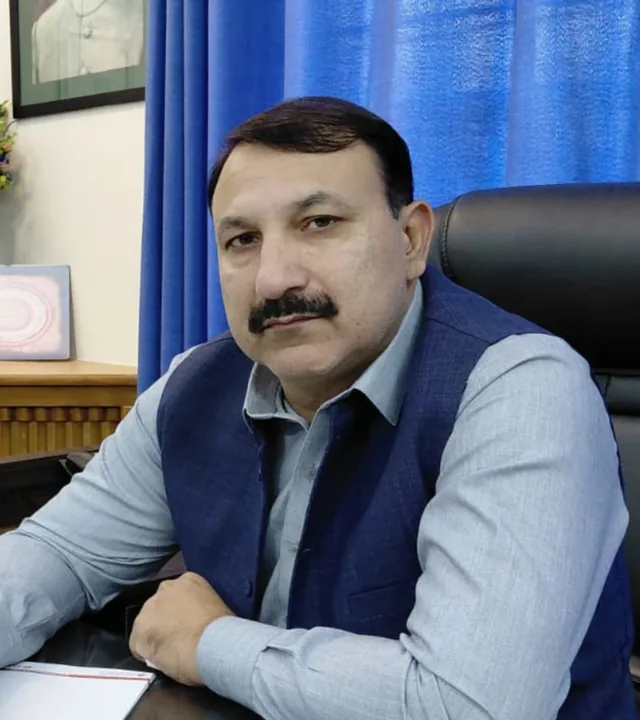
Mr Niaz Ahmed
Chief Executive Officer


Meet the leadership, medical team, clinical psychologists and support staff at the PWD branch.
Recovery environments depend on more than one professional role. Medical, psychological and daily support roles each contribute to coordinated care.
01Chief Executive Officer
 02
02MD
 03
03General Manager
 04
04Assistant Manager
 05
05Medical Team
 06
06Doctor
 07
07Doctor
 08
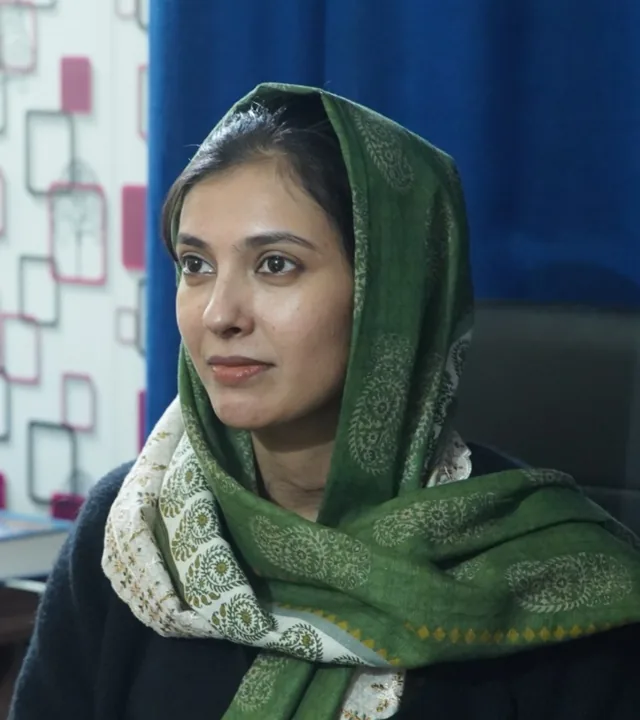
08Clinical Psychologist
 09
09Clinical Psychologist
 10
10Clinical Psychologist
 11
11Dispenser
 12
12Dispenser
 13
13Ward Support
 14
14Ward Support
Leadership and management create the structure within which clinical and support work can operate consistently.
The team sequence begins with executive leadership, followed by management roles responsible for coordination across the center. Day-to-day operations, communication and practical oversight affect the overall treatment environment even when those roles are not clinical.
Substance use, withdrawal, physical health and mental-health symptoms can overlap.
Medical team members can contribute to assessment, observation and coordination where physical or psychiatric factors need attention. Specific diagnoses and treatment decisions belong to qualified clinicians after individual assessment.
Dr Abul Momin Malik · Dr Mureed Hussain · Dr Afzar Maqsood
Psychological support can help people understand patterns that contribute to substance use and relapse.
Depending on assessment and treatment planning, therapeutic work may address triggers, coping strategies, motivation, emotional regulation, relationships, thinking patterns and practical plans for maintaining recovery.
Hibba Raza · Javeria · Kinza
Residential care is a day-to-day environment.
Paramedical and ward-support roles contribute to routine, observation, practical assistance and continuity within the center. These roles are listed separately from doctors and psychologists so responsibilities remain clear.
Shakir Ali · Wajahat Ali · Faisal Fareed · M. Waqas
A rehabilitation team is most useful when information is handed over clearly between leadership, medical staff, clinical psychologists and support personnel. This helps day-to-day observations inform formal clinical decisions instead of remaining disconnected.
Physical health, medication and withdrawal concerns are communicated to the professionals responsible for medical decisions.
Therapy work focuses on patterns, coping, motivation, relationships and relapse risk.
Support staff help maintain structure and report changes that may need clinical attention.
You can request a consultation, ask about assessment or arrange a center visit.